
Construction
New Construction Homes in Orlando: What Buyers Should Know in 2026
September 7, 2026
Nelson
13 min read
New Construction Homes in Orlando: What Buyers Should Know in 2026
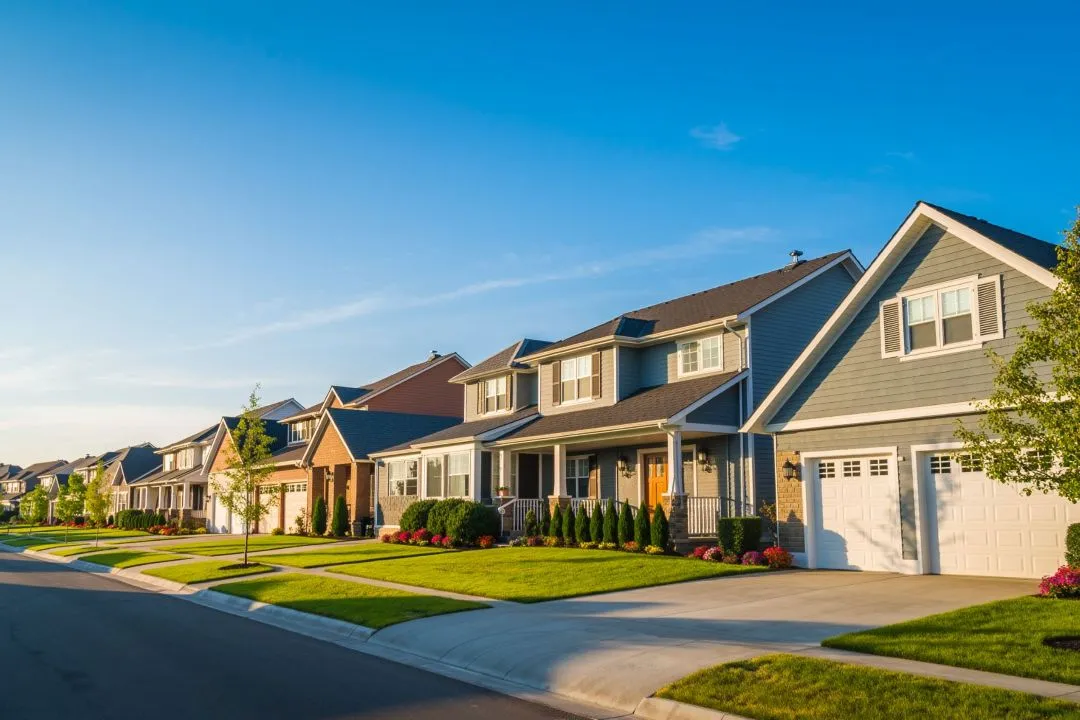
Orlando continues to attract home buyers interested in new construction, from
townhomes and entry-level communities to larger single-family homes and luxury
properties.
Buying a brand-new home can be exciting.
You may be able to choose certain finishes, enjoy newer building systems and appliances,
and avoid some of the immediate maintenance concerns associated with an older
property.
But buying new construction is not the same as buying a resale home.
Builders use their own contracts, deposit structures, timelines, incentives, preferred
lenders, upgrade processes, warranties, and sales procedures.
Before walking into an Orlando-area builder’s sales office, understand how the process
works.
This guide explains what buyers should know before purchasing a new construction home
in Orlando or Central Florida.
What Is a New Construction Home?
A new construction home is a newly built residential property that has not previously been
occupied in the traditional resale sense.
New construction can include:
- Single-family homes
- Townhomes
- Condominiums
- Luxury homes
- Custom homes
- Master-planned communities
- Age-restricted communities
- Other residential developments
Not all new homes are at the same stage of construction.
Understanding the difference can affect your timeline and choices.
Three Common Types of New Construction Purchases
1. Quick Move-In or Inventory Home
A quick move-in home is generally already under construction or completed.
The builder has usually selected many or all structural options, finishes and design
features.
This can be attractive if you want a newer home without waiting for the full construction
process.
2. To-Be-Built Home
With a to-be-built property, you may select a homesite and floor plan before construction
begins.
Depending on the builder and stage of the community, you may also have choices
involving:
- Flooring
- Cabinets
- Countertops
- Fixtures
- Paint
- Appliances
- Structural options
- Other design selections
The process generally takes longer than purchasing an inventory home.
3. Custom Home
A custom-home project may provide significantly more control over design, architecture,
materials and construction.
It can also involve a more complicated process, longer timeline and different financing
structure.
Do You Need a Real Estate Agent to Buy New Construction?
You can purchase directly from a builder, but buyers may choose to have their own real
estate representation.
This distinction is important:
The builder’s sales representative represents the builder’s interests—not yours.
The sales representative can provide valuable information about the builder and
community, but the representative works for the seller.
Your own real estate professional can help you evaluate matters such as:
- Community options
- Comparable properties
- Builder incentives
- Contract terms
- Upgrade costs
- Financing considerations
- Inspections
- Closing process
- Resale considerations
Contact Your Agent Before Visiting the Builder
This is one of the most important things prospective new-construction buyers should
understand.
Builder policies regarding real estate agent registration vary.
Some builders may require your agent to accompany you or be properly registered during
your first visit or initial contact.
If you visit a sales center and register yourself first, it may affect whether an agent can later
participate under the builder’s policy.
Therefore:
If you want your own real estate representation, speak with your agent before visiting or
registering with a builder.
Do not assume representation can always be added later.
Where Can You Find New Construction Around Orlando?
New construction opportunities can be found throughout the greater Central Florida
market.
Depending on current inventory and development, buyers may find new communities in or
around areas such as:
- Lake Nona
- Southeast Orlando
- East Orlando
- Horizon West
- Winter Garden
- Clermont
- Kissimmee
- St. Cloud
- Davenport
- Apopka
- Sanford
- Other Central Florida communities
Available inventory changes continuously as communities open, sell out, release new
phases, and introduce new developments.
Is New Construction More Expensive?
Not necessarily in every situation.
A new home may have a higher purchase price than some resale properties, but purchase
price is only one part of the comparison.
Consider:
- Builder incentives
- Mortgage incentives
- Closing-cost incentives
- HOA fees
- Community assessments
- Insurance
- Property taxes
- Energy efficiency
- Maintenance
- Repairs
- Included features
- Upgrade costs
A resale home with a lower asking price might require significant repairs.
A new home with a higher price might have fewer immediate maintenance needs.
Compare the total financial picture.
Don’t Assume the Model Home Price Is the Actual Price
Model homes are designed to impress buyers.
They may include numerous upgrades that are not included in the advertised base price.
Potential upgrades can include:
- Premium flooring
- Upgraded cabinets
- Premium countertops
- Lighting
- Appliances
- Extended patios
- Additional bedrooms
- Structural options
- Premium bathrooms
- Landscaping
- Technology packages
- Decorative features
A floor plan advertised at one price can cost considerably more after selecting a premium
homesite and upgrades.
Ask for a clear breakdown of:
Base price + lot premium + structural options + design upgrades + other charges = actual
purchase price
What Is a Lot Premium?
Not every homesite within a new community costs the same.
Builders may charge additional amounts for particular lots.
A premium could apply to a property with:
- Water views
- Conservation views
- Larger lot
- Corner location
- Cul-de-sac location
- No immediate rear neighbor
- Other desirable characteristics
A seemingly affordable base price can increase after adding the homesite premium.
Builder Incentives: What Should You Know?
Builders may offer incentives to encourage purchases.
Depending on the builder, community, property, financing, and current promotion,
incentives might involve:
- Closing-cost contributions
- Interest-rate incentives
- Design-center credits
- Upgrade packages
- Price reductions
- Mortgage-related incentives
However, incentives frequently come with conditions.
For example, a particular incentive may require using the builder’s preferred lender or
affiliated closing provider.
Always ask:
What do I have to do to receive this incentive?
Then compare the total economics rather than focusing on the advertised dollar amount.
Should You Use the Builder’s Preferred Lender?
You may be offered incentives for using a builder-affiliated or preferred mortgage lender.
That can potentially be valuable.
But you should understand the complete financing package.
Compare:
- Interest rate
- APR
- Discount points
- Lender fees
- Closing costs
- Credits
- Mortgage insurance
- Monthly payment
- Cash needed at closing
- Loan terms
A large closing-cost credit does not automatically make one mortgage the least expensive
option.
Compare the overall package.
Can You Negotiate the Price of a New Construction Home?
Potentially, but builder negotiations can work differently from resale negotiations.
Builders may be reluctant to reduce published prices because lower recorded sales can
potentially affect future comparable sales within the community.
Depending on market conditions, a builder might instead offer value through:
- Closing-cost assistance
- Mortgage incentives
- Upgrades
- Lot premiums
- Design credits
- Appliance packages
- Other concessions
There is no guarantee a builder will negotiate.
Your negotiating leverage can depend on inventory, demand, construction stage, fiscal
targets, community sales pace and other factors.
Do New Construction Homes Need an Inspection?
A common misconception is:
“It’s brand new, so there can’t be anything wrong with it.”
New homes can still have construction defects, incomplete work, installation problems or
items requiring correction.
Depending on the property and contract, buyers may consider independent inspections at
appropriate stages.
These can potentially include:
- Pre-drywall inspection
- Final inspection
- Additional specialized inspections when appropriate
- Warranty inspection before an applicable warranty deadline
Inspection rights depend on your contract and construction process.
Review them carefully.
What Is a Pre-Drywall Inspection?
A pre-drywall inspection occurs after certain framing and major systems are installed but
before drywall covers many components.
This can provide an opportunity for an independent inspector to observe portions of the
construction that may become difficult to see later.
Not every transaction or builder process provides the same access.
If you want a pre-drywall inspection, discuss it early rather than waiting until the walls are
complete.
Should You Inspect the Home Before Closing?
Consider an appropriate independent inspection even though the property is new.
A final inspection may identify items that need attention before or after closing, depending
on the contract and builder procedures.
You may also have a builder orientation or walk-through where outstanding cosmetic and
completion items are documented.
Do not rush this process simply because the house is new.
What Is a Builder Walk-Through?
Before closing, builders commonly conduct an orientation or walk-through with the buyer.
This can include:
- Demonstrating home systems
- Reviewing features
- Explaining warranty procedures
- Identifying unfinished or damaged items
- Creating a list of items requiring attention
This list is sometimes called a punch list.
Document concerns carefully and understand how and when the builder intends to
address them.
Understand the Builder’s Contract
Builder contracts can differ significantly from commonly used resale purchase contracts.
Do not assume the terms are the same.
A builder contract can address:
- Deposits
- Construction timelines
- Closing deadlines
- Financing
- Inspections
- Design selections
- Change orders
- Delays
- Default
- Warranties
- Builder remedies
- Buyer remedies
- HOA obligations
- Other requirements
Read the contract carefully.
For legal interpretation or advice, consult an appropriately qualified attorney.
Are Builder Deposits Refundable?
Do not assume they are.
Deposit requirements and refundability depend on the contract.
Builders may require deposits at various stages, particularly when a buyer selects
upgrades or custom options.
Before paying money, understand:
- How much is required
- When it is due
- Whether it is refundable
- Under what conditions it could be forfeited
- How financing affects the deposit
What Happens If Construction Is Delayed?
Construction timelines can change.
Potential causes include:
- Weather
- Permitting
- Inspections
- Labor
- Materials
- Supply-chain issues
- Utility connections
- Other construction factors
If you are currently renting or selling another home, avoid planning your transition based
solely on an estimated completion date without understanding the risk of delays.
Review the builder’s contract regarding completion and closing.
Property Taxes on New Construction
This is an area where buyers can make a significant budgeting mistake.
A newly constructed home’s current tax information may reflect vacant land or a partially
completed property rather than the completed home’s future taxable value.
Do not assume an unusually low tax amount displayed online represents what you will pay
after purchasing a completed home.
When calculating affordability, use a reasonable estimate of future property taxes based on
the completed property and your circumstances.
Homeowners Insurance on a New Home
Newer construction may have certain insurance advantages compared with some older
Florida properties, but never assume the premium will be inexpensive.
Insurance pricing depends on the property, location, construction characteristics,
coverage, deductibles, insurer, and other underwriting factors.
Obtain a real insurance quote before closing.
HOA Fees and Community Assessments
Many new Orlando-area developments have homeowners associations.
Before buying, investigate:
- Monthly or annual HOA assessments
- What the HOA covers
- Community rules
- Architectural restrictions
- Leasing restrictions
- Parking restrictions
- Pet rules
- Amenities
- Future assessment considerations
Some communities may also have additional assessments or district-related obligations.
Understand all recurring property-related costs before committing.
What Amenities Are You Really Paying For?
New communities often advertise impressive amenities such as:
- Resort-style pools
- Clubhouses
- Fitness centers
- Playgrounds
- Trails
- Parks
- Sports facilities
- Community events
- Gated entrances
Amenities can add lifestyle value.
But they can also contribute to association costs.
Ask yourself whether you are likely to use the amenities enough to justify the associated
expense.
Quick Move-In vs. Building From Scratch
Both approaches have advantages.
Quick Move-In Home
Potential benefits:
- Faster closing
- You can see the actual home
- Less uncertainty about completion
- Potential builder inventory incentives
Potential disadvantages: - Fewer customization choices
- Builder has already selected many finishes
- Limited homesite options
To-Be-Built Home
Potential benefits:
- More design choices
- Potential structural selections
- Choice of available homesites
- Personalized finishes
Potential disadvantages: - Longer timeline
- More upgrade decisions
- Potential construction delays
- Final price can increase substantially with selections
New Construction vs. Resale Home
Consider the tradeoffs carefully.
New Construction May Offer:
- Newer systems
- New appliances
- Modern layouts
- Current design options
- Builder warranty coverage
- Potential energy-efficiency advantages
- Community amenities
Resale Homes May Offer:
- Established neighborhoods
- Mature landscaping
- Potentially larger lots
- More immediate availability
- Existing improvements
- Greater visibility into neighborhood history
- Different negotiating opportunities
Neither is automatically better.
The right choice depends on your priorities.
Example: Comparing Two $400,000 Homes
Suppose you are comparing:
New Construction Home
Base price: $375,000
Lot premium: $10,000
Upgrades: $15,000
Total: $400,000
Resale Home
Purchase price: $385,000
Expected immediate repairs and improvements: $15,000
Approximate initial cost: $400,000
At first glance, the resale home appears less expensive.
After considering repairs, the difference changes.
But you should still compare:
- Mortgage terms
- Builder incentives
- Property taxes
- Insurance
- HOA
- Maintenance
- Lot size
- Location
- Commute
- Resale considerations
Purchase price alone does not tell the whole story.
Mistakes to Avoid When Buying New Construction
Mistake #1: Visiting Builders Before Talking to Your Agent
If you want buyer representation, establish it before visiting or registering with builders.
Mistake #2: Assuming the Model Home Is Standard
Ask which features are upgrades.
Mistake #3: Focusing Only on the Base Price
Calculate the actual price after lot premiums and upgrades.
Mistake #4: Automatically Taking the Builder’s Financing
Compare the complete mortgage package.
Mistake #5: Skipping Inspections
New does not mean perfect.
Mistake #6: Underestimating Future Property Taxes
Use a realistic estimate based on the completed property.
Mistake #7: Ignoring HOA Costs
Include HOA and other applicable assessments in your monthly budget.
Mistake #8: Spending Too Much at the Design Center
Upgrades can quickly increase your purchase price.
Mistake #9: Assuming the Completion Date Is Guaranteed
Understand the contract and prepare for possible delays.
Mistake #10: Not Thinking About Resale
Even if you plan to stay for years, consider how the location, lot, floor plan, upgrades and
community may appeal to future buyers.
Questions to Ask an Orlando Builder
Before signing a contract, consider asking:
- What is included in the base price?
- Which model-home features are upgrades?
- Is there a lot premium?
- What deposits are required?
- Are deposits refundable?
- What is the estimated completion date?
- What happens if construction is delayed?
- What incentives are currently offered?
- Do incentives require using a preferred lender?
- What are the HOA fees?
- Are there other community assessments?
- What inspections are permitted?
- What warranties are provided?
- What are the estimated property taxes after completion?
- Which closing costs am I responsible for?
- What items can still be customized?
- Are there restrictions on future leasing?
- What future development is planned around the community?
Step-by-Step: Buying New Construction in Orlando
Step 1: Establish your home-buying budget.
Step 2: Obtain mortgage pre-approval.
Step 3: Choose your real estate representation before visiting builders if you want an
agent involved.
Step 4: Identify Orlando-area communities that fit your needs.
Step 5: Compare builders and developments.
Step 6: Review inventory homes and to-be-built options.
Step 7: Calculate the real purchase price, including lot premiums and upgrades.
Step 8: Compare builder incentives and financing options.
Step 9: Review the contract carefully.
Step 10: Complete applicable inspections.
Step 11: Obtain insurance and finalize financing.
Step 12: Complete your final orientation and walk-through.
Step 13: Review closing documents.
Step 14: Close on your new home.
Frequently Asked Questions
Is it cheaper to buy new construction in Orlando?
Sometimes, but not always.
Compare the total cost, including purchase price, upgrades, lot premiums, HOA fees,
taxes, insurance, incentives and expected maintenance.
Do I need a Realtor or real estate agent for new construction?
You are not necessarily required to use one, but buyers may choose to have their own real
estate representation.
Builder registration policies can apply, so contact your agent before your first builder visit if
you want representation.
Does the builder pay the buyer’s agent?
Compensation arrangements vary by builder, community, transaction and agreement.
Do not assume a particular compensation structure.
Discuss representation and compensation with your real estate professional before visiting
the builder.
Can I negotiate with a home builder?
Potentially.
Negotiability depends on the builder, community, inventory and market conditions.
Should I inspect a brand-new home?
New homes can still have defects or incomplete items. Buyers should consider appropriate
independent inspections subject to their contract and builder procedures.
Can I use FHA or VA financing for new construction?
Potentially.
The borrower, property, builder and transaction must satisfy applicable mortgage-program
requirements.
Can I get down-payment assistance on a new home?
Potentially.
Eligibility depends on the buyer, property, mortgage and assistance program.
Verify compatibility before signing a contract based on expected assistance.
Ready to Find a New Construction Home in Orlando?
New construction can offer attractive opportunities, but the process requires more than
walking into a model home and choosing a floor plan.
A smart approach is:
Establish your budget → Get pre-approved → Choose your representation → Compare
communities → Compare builders → Evaluate incentives → Review the contract → Inspect
the property → Complete financing → Close
Most importantly, if you want your own real estate professional representing you:
Contact your agent before your first visit or registration with a builder.
Builder policies vary, and waiting until after you register could affect your ability to involve
your preferred agent under the builder’s program.
If you’re considering a new construction home in Orlando or Central Florida, contact us
before visiting builder communities.
We can help you compare communities, available properties, builder incentives and
financing considerations so you can make a more informed decision.
Ready to make your move?
Nelson Capital Financial Services guides you from pre-approval through closing — mortgage, real estate and insurance in one place.
Apply Online