
Business
How Long Does It Take to Buy a House in Florida? 2026 Home Buyer Timeline
September 7, 2026
Nelson
12 min read
How Long Does It Take to Buy a House in Florida? 2026 Home Buyer Timeline
If you’re planning to buy a house in Florida, you may be wondering:
How long does the entire home-buying process take?
There is no single timeline that applies to every buyer.
Some buyers find a property quickly, while others spend weeks or months searching. Once
a purchase contract is accepted, the transaction timeline depends on financing,
inspections, appraisal, insurance, title work, underwriting, and the closing date negotiated
in the contract.
For an Orlando home buyer, it is helpful to think about the process in two separate stages:
Stage 1: Preparing and finding the home
Stage 2: Going from an accepted offer to closing
The first stage can take days, weeks, or months.
The second stage usually follows the deadlines established in your purchase contract and
mortgage process.
Here’s what Florida home buyers should expect.
Step 1: Prepare Your Finances
Possible timeline: A few days to several months
Before seriously shopping for a home, review your financial situation.
Consider:
- Income
- Employment
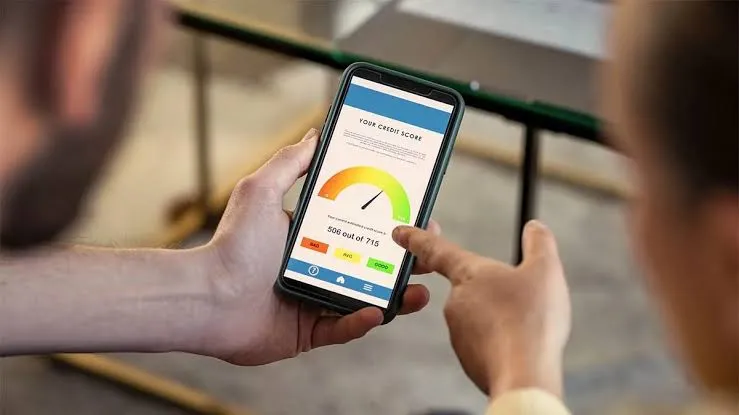
- Credit
- Monthly debts
- Savings
- Down-payment funds
- Closing-cost funds
- Emergency reserves
If your finances are already in good condition, you may be able to move to mortgage preapproval quickly.
If you need to improve your credit, reduce debt, or save additional money, preparation can
take considerably longer.
Do not view that time as wasted.
Financial preparation can make the rest of the transaction much smoother.
Step 2: Get Pre-Approved for a Mortgage
Possible timeline: Same day to several days or longer
The exact timeline depends on the lender and complexity of your finances.
You may need to provide:
- Identification
- Pay stubs
- W-2 forms
- Tax returns when required
- Bank statements
- Asset statements
- Employment information
- Debt information
- Additional financial documents
Self-employed buyers or borrowers with more complex income may need additional
documentation and review.
A pre-approval helps establish your potential purchasing power before you begin making
offers.
Step 3: Establish Your Home-Buying Budget
Possible timeline: Usually during pre-approval
Your maximum mortgage qualification should not automatically become your homesearch budget.
Consider the complete monthly housing expense:
Principal + Interest + Property Taxes + Homeowners Insurance + Mortgage Insurance +
HOA/Condo Fees
Then determine what payment is personally comfortable.
This helps narrow your search before you start touring homes.
Step 4: Choose Where You Want to Buy
Possible timeline: A few days to several weeks
Orlando-area buyers may compare communities based on factors such as:
- Price
- Commute
- Property type
- HOA
- Lot size
- New construction
- Amenities
- Future development
- Personal lifestyle priorities
Your search could include Orlando and surrounding Central Florida communities.
The broader your criteria, the more options you may have.
Step 5: Search for Homes
Possible timeline: Days to months
This is the least predictable stage.
One buyer may find the right property during the first weekend.
Another may look for three months.
Another may take a year.
The timeline depends on:
- Budget
- Inventory
- Location
- Property requirements
- Market conditions
- Financing
- Flexibility
- Competition
Avoid buying the wrong house simply because you feel pressured to meet an artificial
timeline.
Step 6: Make an Offer
Possible timeline: Often one to several days for negotiation, but varies
Once you find a property you want to purchase, your real estate professional can help
prepare an offer.
The offer may address:
- Purchase price
- Deposit
- Financing
- Inspection provisions
- Closing date
- Seller concessions
- Other contractual terms
The seller may: - Accept
- Reject
- Counter
Negotiations can happen quickly or take longer.
Until the parties reach agreement and properly execute a contract, you generally do not
have a completed purchase agreement.
Step 7: Deposit Earnest Money
Timeline: Follow the contract exactly
Your purchase contract may require a deposit within a specified period.
Do not miss this deadline.
The contract should identify:
- Deposit amount
- Due date
- Escrow holder
- Other applicable requirements
Never assume you have several days without checking the actual contract.
Florida real estate contracts can contain important deadlines, and buyers should take
them seriously.
Step 8: Complete Home Inspections
Timeline: Determined by your contract
Once under contract, inspection-related deadlines can begin quickly.
Depending on the property and your situation, inspections may include:
- General home inspection
- Wind mitigation inspection
- Four-point inspection
- Termite/WDO inspection when appropriate
- Sewer or septic evaluation when applicable
- Pool inspection
- Roof inspection
- Other specialized inspections
Not every property needs every type of inspection.
The critical point is to understand your contractual inspection period and schedule
appropriate inspections promptly.
Step 9: Review Inspection Results
After inspections, review the findings carefully.
Depending on your contract, the property, and applicable rights, the next steps may involve
decisions concerning:
- Repairs
- Credits
- Price
- Further evaluation
- Proceeding with the purchase
- Other contract options
Do not assume every inspection issue automatically requires the seller to repair it.
Your rights and obligations depend on the contract.
Step 10: Finalize Homeowners Insurance
Timeline: Start early
Florida buyers should not leave insurance until the final days before closing.
Insurance availability and cost can affect the transaction.
Factors can include:
- Roof age
- Property age
- Construction
- Electrical systems
- Plumbing
- Wind mitigation features
- Location
- Coverage
- Deductibles
- Insurer underwriting
A property that appears affordable based on principal and interest could become less
affordable after the actual insurance premium is included.
Begin obtaining quotes early.
Step 11: The Lender Orders or Reviews the Appraisal
Possible timeline: Several days to a few weeks, depending on the transaction
For many financed purchases, the lender requires an appraisal.
An appraisal helps the lender evaluate the property securing the mortgage.
The appraised value may be:
- At or above the contract price
- Below the contract price
If the appraisal comes in low, the next steps depend on the contract, financing, and
negotiations.
Potential outcomes could include: - Buyer and seller renegotiate
- Buyer contributes additional funds
- Appraisal is reviewed or challenged when appropriate
- Other contractual rights are exercised
A low appraisal does not have one automatic solution.
Step 12: Title Work
During the transaction, title work is completed to determine whether there are issues
affecting ownership or transfer.
Potential matters can include:
- Existing mortgages
- Liens
- Judgments
- Ownership issues
- Easements
- Other title matters
Problems may need to be resolved before closing.
Straightforward title work may cause no delay.
Complicated title problems can extend the transaction.
Step 13: Mortgage Underwriting
Possible timeline: Several days to several weeks
Mortgage underwriting is one of the most important stages of the financing process.
The underwriter reviews the loan according to applicable requirements.
This can involve:
- Income
- Employment
- Credit
- Assets
- Debts
- Property
- Appraisal
- Insurance
- Other documentation
The underwriter may issue conditions requiring additional information.
For example, you could be asked for: - Updated bank statements
- Updated pay stubs
- Explanation letters
- Documentation of deposits
- Employment verification
- Additional property information
Respond to requests quickly.
Delays in providing documents can delay your closing.
Step 14: Avoid Financial Changes Before Closing
This applies from pre-approval through closing.
Do not assume mortgage approval is finished simply because your offer was accepted.
Avoid major financial changes without speaking with your lender.
Examples include:
- Financing a vehicle
- Opening new credit cards
- Co-signing debt
- Financing furniture
- Making large unexplained deposits
- Changing jobs without notifying your lender
- Missing payments
- Spending money needed for closing
Your financial qualifications may be checked again before the loan closes.
Step 15: Receive the Closing Disclosure
For many consumer mortgage transactions, federal rules require the borrower to receive
the initial Closing Disclosure at least three business days before consummation,
subject to applicable rules and exceptions.
The Closing Disclosure provides important final loan information.
Review items such as:
- Loan amount
- Interest rate
- Monthly payment
- Closing costs
- Cash needed to close
- Loan terms
Do not wait until you are sitting at the closing table to review these numbers.
Ask questions as soon as something looks different from what you expected.
Step 16: Complete the Final Walk-Through
Timeline: Usually shortly before closing
The final walk-through is your opportunity to view the property before completing the
purchase.
Depending on the transaction, you may verify matters such as:
- Property condition
- Agreed-upon items remaining with the property
- Repairs when applicable
- Whether significant unexpected damage has occurred
- Other contract-related conditions
A final walk-through is not the same as a full home inspection.
It is generally a final check before closing.
Step 17: Verify Wiring Instructions
Closing may require you to send substantial funds.
Wire fraud is a serious risk in real estate transactions.
Criminals may impersonate:
- Title companies
- Attorneys
- Lenders
- Real estate professionals
- Other parties
Never rely solely on an email telling you where to send money.
Independently verify wiring instructions using a known, trusted method before sending
funds.
Be particularly suspicious of last-minute emails claiming wiring instructions have changed.
Step 18: Closing Day
At closing, the final transaction documents are completed according to the applicable
process.
Depending on the transaction, documents may include:
- Mortgage documents
- Promissory note
- Closing statements
- Title documents
- Other required forms
Funds are transferred and the transaction is completed when all applicable closing
requirements have been satisfied.
Then comes the part buyers have been waiting for:
Getting the keys to the new home.
How Long From Accepted Offer to Closing?
There is no universal Florida closing timeline.
A financed purchase may take several weeks, but the actual closing date depends on the
contract and transaction.
A cash transaction may potentially close faster because there is no mortgage underwriting
process.
A transaction may take longer because of:
- Financing problems
- Appraisal delays
- Low appraisal
- Insurance issues
- Inspection issues
- Title problems
- HOA or condominium requirements
- Missing documents
- Buyer financial changes
- Seller issues
- Construction delays
Never assume a particular number of days applies to every Florida purchase.
Example Orlando Home-Buying Timeline
Here is a simplified example.
Week 1
Get pre-approved and establish budget.
Weeks 1–4
Tour Orlando homes.
Week 4
Find a property and negotiate an accepted offer.
Week 5
Complete inspections and begin insurance process.
Weeks 5–6
Appraisal, title work, mortgage processing, and underwriting continue.
Weeks 6–7
Resolve remaining conditions and prepare for closing.
Week 7
Final walk-through and closing.
In this hypothetical example, the buyer completes the process in roughly seven weeks from
initial pre-approval.
But another buyer could take much longer simply because finding the right property takes
several months.
What Can Delay a Florida Home Purchase?
1. Mortgage Documentation
Missing or incomplete documents can slow underwriting.
2. Credit Changes
New debt or missed payments can affect qualification.
3. Employment Changes
Changing employment during the transaction can require additional review.
4. Appraisal Problems
A low appraisal or property concern can create delays.
5. Homeowners Insurance
Insurance availability or cost can affect financing and affordability.
6. Inspection Issues
Significant property problems may require additional evaluation or negotiation.
7. Title Problems
Liens or ownership issues may need to be resolved.
8. HOA or Condominium Issues
Documents, approvals, association conditions, or financing requirements can affect
timing.
9. Buyer Delays
Failing to respond quickly to lender, title, insurance, or real estate requests can slow the
process.
10. Seller Delays
The seller may also have issues affecting the transaction.
How Can You Buy a House Faster?
You cannot control everything, but you can improve your preparation.
Get Pre-Approved Before Shopping
Do not wait until after finding a house.
Gather Documents Early
Have financial documentation available.
Respond Quickly
When your lender asks for something, provide it promptly.
Schedule Inspections Immediately
Do not waste your inspection period.
Start Insurance Early
Florida insurance deserves attention early in the transaction.
Avoid Financial Changes
Do not create unnecessary underwriting problems.
Keep Your Closing Funds Available
Do not spend money earmarked for closing.
Communicate
Stay in contact with your:
- Real estate professional
- Mortgage professional
- Insurance professional
- Closing/title professional
Good communication can prevent small issues from becoming major delays.
How Long Does It Take to Buy a New Construction Home?
New construction can have a very different timeline.
Completed Inventory Home
A completed new home may potentially close on a timeline closer to a resale transaction.
Home Already Under Construction
You may need to wait until construction is complete.
To-Be-Built Home
The process can take substantially longer.
Potential delays can involve:
- Permitting
- Materials
- Labor
- Weather
- Inspections
- Utility connections
- Construction issues
Do not assume the builder’s estimated completion date is guaranteed.
Review the contract.
How Long Does It Take to Buy a House With Cash?
A cash purchase may potentially close faster because mortgage processing, underwriting,
and lender appraisal requirements may not apply.
However, cash buyers may still need time for:
- Inspections
- Title work
- Association matters
- Closing preparation
- Other due diligence
Paying cash does not mean you should skip appropriate property research.
How Long Does an FHA Purchase Take?
An FHA-financed transaction still involves mortgage processing, underwriting, appraisal,
insurance, title, and other closing requirements.
The exact timeline varies.
A properly prepared FHA transaction does not have one universal closing period.
How Long Does a VA Purchase Take?
VA-financed purchases also vary.
The timeline depends on the lender, borrower, property, appraisal, underwriting, and
transaction.
Do not assume VA financing automatically requires a dramatically longer closing.
Should You Give Notice to Your Landlord Before Closing?
Be careful.
Closing dates can change.
Giving notice too early could leave you without housing if the transaction is delayed.
Giving notice too late could result in overlapping rent and mortgage-related expenses.
Review your lease carefully and coordinate your timing with your transaction.
When possible, having some overlap can reduce the stress caused by an unexpected
closing delay.
When Should You Start Preparing to Buy?
If you think you may want to buy within the next several months, starting early can be
beneficial.
You can begin by:
- Reviewing credit
- Evaluating debt
- Building savings
- Gathering financial documents
- Learning about mortgage options
- Researching Orlando communities
- Understanding closing costs
- Investigating assistance programs
You do not have to wait until you’re ready to make an offer before learning how the process
works.
Florida Home Buyer Timeline Checklist
Use this checklist to track your progress:
☐ Review finances
☐ Check credit
☐ Determine savings
☐ Explore mortgage programs
☐ Get pre-approved
☐ Establish comfortable budget
☐ Select preferred areas
☐ Tour homes
☐ Make an offer
☐ Execute purchase contract
☐ Submit required deposit
☐ Complete inspections
☐ Obtain insurance quotes
☐ Complete appraisal process
☐ Complete title work
☐ Respond to underwriting conditions
☐ Review Closing Disclosure
☐ Verify closing funds and wiring instructions
☐ Complete final walk-through
☐ Sign closing documents
☐ Get the keys
Frequently Asked Questions
How long does it take to buy a house in Florida?
The total timeline can range from weeks to many months depending on how long it takes to
prepare financially, find a property, negotiate an offer, obtain financing, complete
inspections, secure insurance, complete title work, and close.
How long does it take to close after an offer is accepted?
It depends on the contract and transaction.
Financed purchases commonly require several weeks, but there is no universal Florida
closing period.
Can you buy a house in 30 days?
Potentially.
Some transactions can close within approximately 30 days when financing, title, appraisal,
insurance, inspections, and other requirements proceed smoothly and the contract
provides for that timeline.
It is not guaranteed.
Can you close on a house in two weeks?
Some transactions, particularly certain cash purchases, may potentially close quickly.
Whether that is realistic depends on the property, contract, title work, due diligence, and
other requirements.
What takes the longest when buying a house?
For some buyers, finding the right home takes the longest.
For others, financing, property issues, insurance, appraisal, or title work can extend the
process.
When do I get the keys?
Key delivery depends on the closing arrangements and completion of the transaction.
Confirm the procedure with the professionals handling your purchase.
Ready to Start Your Orlando Home-Buying Timeline?
Buying a house is easier to manage when you understand what happens next.
A typical process looks like:
Prepare finances → Get pre-approved → Establish budget → Search for homes → Make an
offer → Complete inspections → Secure insurance → Complete appraisal and underwriting →
Final walk-through → Closing → Get the keys
The sooner you prepare, the better positioned you can be when the right Orlando home
becomes available.
If you’re considering buying a home in Orlando or Central Florida, contact us to discuss
your goals, budget, preferred location, and anticipated buying timeline.
Ready to make your move?
Nelson Capital Financial Services guides you from pre-approval through closing — mortgage, real estate and insurance in one place.
Apply Online